
Collection: Made from KAPOK
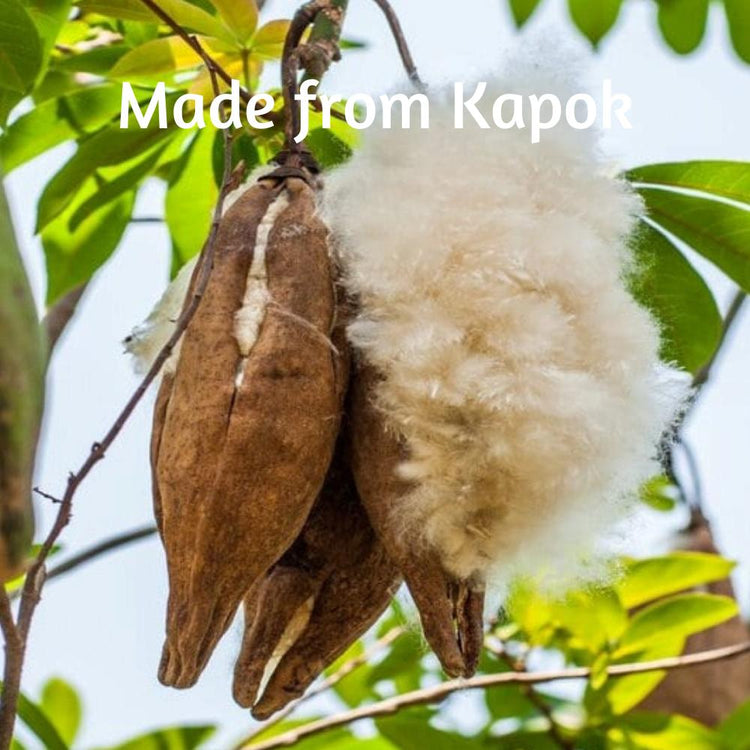
Kapok fiber is a silky, plant-based material harvested from the seed pods of wild kapok trees, which grow naturally in tropical rainforests. Known for its featherlight texture and moisture-resistant properties, kapok offers a breathable, vegan alternative to down—ideal for pillows, mattresses, duvets and insulation.
Shoo-Foo’s kapok is sourced from Indonesia, where the trees thrive without chemical treatments, pesticides, or synthetic fertilizers. This means every fiber remains untouched by toxins—naturally hypoallergenic, resistant to mites and mold, and safe for sensitive skin.
Learn more about the benefits of kapok.
-
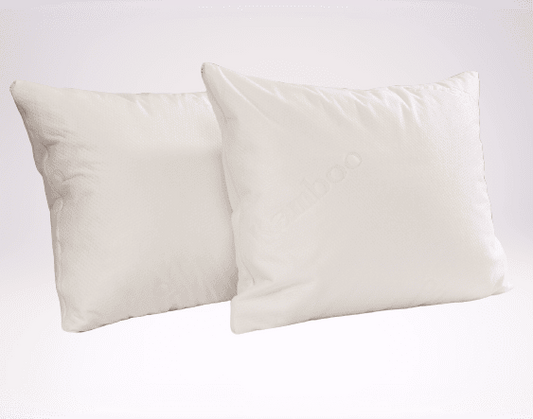
Organic kapok pillows with adjustable firmness and natural cotton casing
Regular price From $ 99.00 USDRegular price$ 99.00 USDSale price From $ 99.00 USD -
Organic Kapok Bed Pillows for Toddlers
Regular price $ 42.00 USDRegular price$ 42.00 USDSale price $ 42.00 USD -
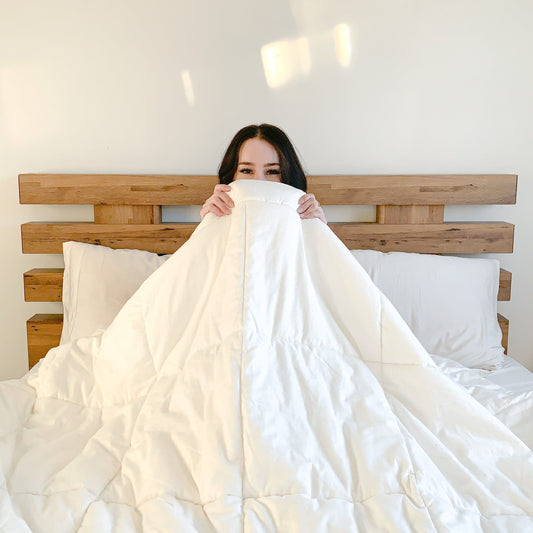
Vegan Friendly Kapok Duvet Insert | in Organic Bamboo Casing
Regular price From $ 158.00 USDRegular price$ 158.00 USDSale price From $ 158.00 USD


FAQ About Kapok & Performance
Kapok is an ultra-light, silky natural fiber harvested from the seed pods of wild kapok trees in the rainforest. It is soft, breathable, hypoallergenic, and one of the most sustainable natural fills available.
Yes. Our kapok duvets and pillows are filled with 100% pure organic kapok fiber from wild rainforest trees—no pesticides, GMOs, or chemical treatments.
Our kapok duvet inserts and kapok bed pillows are encased in a soft, breathable, 100% cotton inner cover with no chemical finishes.
Yes. Kapok fibers are naturally breathable and help regulate temperature, making them ideal for warm sleepers and humid climates.
Absolutely. Kapok is naturally antimicrobial, mold-resistant, and dust-mite resistant, making it a great choice for allergy-sensitive sleepers.
FAQ about Kapok Comfort & Feel
Kapok pillows feel soft, buoyant, and supportive—somewhere between down and latex in feel but lighter than both.
Some natural shifting may occur over time due to the lightness of the fiber, but regular fluffing restores loft easily. Using a duvet cover helps keep the fill more evenly distributed.
Kapok pillows feel soft, buoyant, and supportive—somewhere between down and latex in feel but lighter than both.
Yes. They include a zippered inner cover so you can add or remove kapok fiber to customize firmness and loft.
FAQ about Kapok Sustainability and Safety
Yes. Kapok trees grow wild without irrigation, pesticides, fertilizer, or farming—making it one of the lowest-impact natural fibers available.
No. Our kapok is naturally cleaned without chemical treatments, keeping the fibers pure and toxin-free.
Yes. Kapok is a vegan, plant-based alternative to down or wool.
FAQ about Kapok Products Fit & Use
Duvets and pillows come in standard North American sizes: Twin, Full/Queen, King for duvets; Standard, Queen, King for pillows.
Yes. A cover protects your duvet and helps the fill stay evenly distributed.
Yes. Side sleepers generally prefer more loft—just add extra kapok fill. Back and stomach sleepers can remove fill for a softer, lower profile.
Yes. They our kapok products are chemical-free, hypoallergenic, and naturally resistant to dust mites, making them safe for kids and sensitive sleepers.
FAQ about Care Instructions for Kapok Products
No. Kapok must never be machine washed, soaked, or submerged in water. Saturating kapok can cause the natural fibers to break down and lose their loft and performance.
Only spot-clean the cotton cover using a damp cloth and mild, natural soap. Gently blot the area—do not rub aggressively. Always allow the item to air dry completely before use.
Air out your kapok duvet or pillow once a month. Hang it outside in indirect sunlight or in a well-ventilated indoor space for 2–3 hours. This naturally refreshes the fibers and releases moisture.
Kapok fibers are extremely fine, light, and naturally buoyant. When saturated, they can mat, compact, or lose their structure, which reduces comfort and longevity.
Only as needed. Kapok is naturally antimicrobial and stays fresh longer than many fills, so regular washing is not required.
No. Heat and tumbling can damage the natural fibers. Always air dry only after spot-cleaning.
Store only when completely dry. Keep it in a breathable cotton or linen bag in a cool, dry environment. Avoid plastic bags or vacuum-sealing, which restrict airflow and can compress the fibers.
With gentle care and monthly airing, kapok duvets and pillows typically last 5–7 years or more.